Waterfront living offers a rare blend of relaxation, recreation, and direct access to nature that few other home environments can match. Whether situated on a lake, river, or coastal shoreline, these properties offer the opportunity to design an active outdoor lifestyle centered on water-based recreation and open-air living. However, maximizing this potential requires planning, durable materials, and well-designed infrastructure that supports both leisure and long-term property protection.
A well-planned waterfront property is more than a scenic view—it is a functional extension of the home that supports boating, swimming, entertaining, and year-round outdoor engagement. The most successful waterfront home projects balance comfort, safety, and usability while ensuring the natural environment remains protected and accessible.
This guide explores practical, detailed strategies for creating a waterfront space that enhances outdoor living while maintaining long-term durability and convenience.
1. Assessing Your Waterfront Layout for Practical Daily Use
Before starting any construction or upgrades, it is essential to evaluate how your waterfront property is currently being used and how it could function more effectively. Many waterfront homes have untapped potential simply due to inefficient layouts or underutilized shoreline space.
Key factors to evaluate include shoreline accessibility, slope, dock placement, water depth, and natural wind exposure. These conditions directly influence which activities and structures are feasible.
A thorough assessment should include:
- Mapping out primary access points between home and water
- Identifying shallow vs. deep water zones for recreational planning
- Evaluating erosion patterns along the shoreline
- Observing sun exposure for seating and activity areas
- Determining safe zones for swimming and boating
Once this information is gathered, homeowners can begin dividing the waterfront into functional zones such as recreation, storage, docking, and relaxation areas. This zoning approach ensures the space is both efficient and enjoyable for daily use.
2. Creating Flexible Water Access for Group Recreation and Leisure
Waterfront living becomes significantly more enjoyable when access to water recreation is simple, flexible, and guest-friendly. Incorporating systems that support temporary or shared watercraft use allows homeowners to maximize entertainment potential without requiring full-time ownership of multiple vessels.
Boat rentals can be integrated into waterfront planning as a convenient way to accommodate visitors or seasonal use. This approach reduces storage demands while still supporting active water-based lifestyles.
Effective planning strategies include:
- Designing clear docking zones for easy pickup and drop-off
- Creating safe walking paths between the home, the dock, and the shoreline
- Planning guest-friendly seating and staging areas near the water
- Ensuring lighting for evening or early morning access
Boat rental also allows homeowners to scale recreational activity depending on season, budget, or group size. This flexibility supports a more dynamic and adaptable waterfront lifestyle.
3. Selecting Long-Lasting Materials for Waterfront Structures
Waterfront environments are extremely harsh on building materials due to constant exposure to moisture, sun, and fluctuating temperatures. Choosing the right construction materials is essential for ensuring safety, durability, and reduced maintenance over time.
Marine lumber is specifically designed for these conditions, offering enhanced resistance to rot, decay, and insect damage. It is commonly used in docks, piers, and shoreline structures where durability is critical.
When selecting materials, consider:
- Resistance to water absorption and swelling
- UV protection for long-term sun exposure
- Structural strength under heavy loads
- Maintenance requirements over time
Additional best practices include sealing all exposed surfaces, elevating structures where possible, and ensuring proper drainage beneath decking materials. Investing in durable materials upfront significantly reduces long-term repair costs and improves safety.
4. Designing Safe and Efficient Boat Access Systems
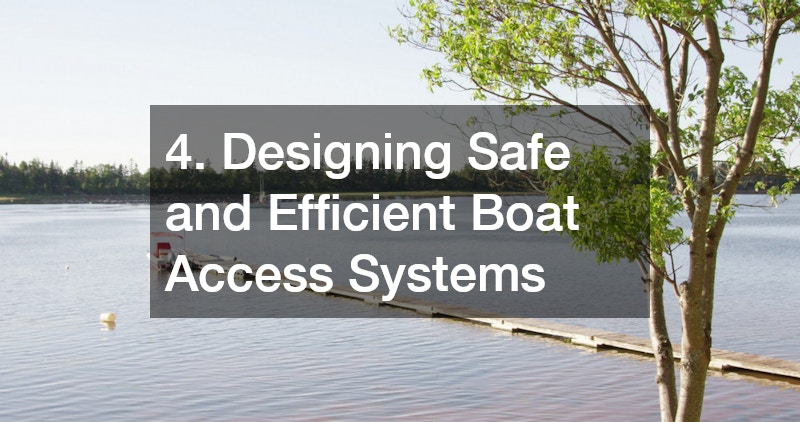
Proper boat access is one of the most important aspects of waterfront functionality. Without a reliable system, launching and storing watercraft can become time-consuming, labor-intensive, and potentially damaging to both the boat and shoreline.
A boat lift provides a secure and efficient solution by raising vessels out of the water when not in use. This helps protect boats from wave damage, algae growth, and corrosion.
Key considerations when designing boat access systems:
- Ensuring dock alignment with water depth and vessel size
- Planning clearance for safe movement during tides or water level changes
- Positioning lifts for easy boarding and maintenance access
- Selecting materials that resist corrosion and wear
For homeowners considering installation, boat lifts for sale vary widely in capacity and design. Choosing the right system depends on vessel size, weight, and frequency of use. Proper installation ensures both safety and long-term reliability.
5. Making Smart Decisions When Purchasing Watercraft
Selecting the right watercraft is a key part of building an active waterfront lifestyle. The decision between new and pre-owned vessels depends on budget, intended use, and maintenance expectations.
Local new boat sales provide access to the latest designs, improved fuel efficiency, and manufacturer warranties. These options are ideal for homeowners seeking long-term reliability and minimal initial maintenance concerns.
When evaluating used options, working with a used boat dealer can provide access to more affordable vessels, but careful inspection is essential.
Important buying considerations include:
- Engine condition and service history
- Hull integrity and structural wear
- Electrical system functionality
- Storage history and environmental exposure
Matching the right boat to your waterfront environment ensures better performance and reduces long-term maintenance costs.
6. Maintaining Reliable Performance Through Regular Boat Care
Watercraft require consistent maintenance to perform safely and efficiently in challenging marine environments. Saltwater exposure, moisture, and mechanical strain can quickly degrade components if not properly addressed.
Boat repair services provide essential maintenance support, including engine diagnostics, hull repairs, and system inspections.
Common maintenance needs include:
- Engine tuning and oil changes
- Propeller and shaft inspections
- Electrical system repairs
- Hull cleaning and anti-fouling treatments
Preventative maintenance is especially important, as small issues can quickly escalate in marine conditions. Scheduling regular service checks ensures boats remain safe, reliable, and ready for use throughout the season.
7. Organizing Waterfront Storage for Seasonal Efficiency
Efficient storage systems are essential for maintaining a clean, functional waterfront environment. Without proper organization, equipment can become damaged, cluttered, or difficult to access during peak recreational periods.
Effective storage strategies include:
- Dedicated zones for water sports equipment and safety gear
- Covered storage for seasonal items during off-months
- Weather-resistant containers for sensitive materials
- Dockside storage solutions for frequently used items
Planning storage around usage frequency ensures that high-demand items remain easily accessible while less frequently used equipment is properly protected. This approach not only enhances efficiency but also streamlines workflow by minimizing the time spent searching for tools and materials. Additionally, organizing items by usage can help prevent unnecessary wear and tear on less frequently used equipment, thereby extending its lifespan.
8. Designing Outdoor Living Spaces That Encourage Gathering and Relaxation
A well-designed waterfront property should support both active recreation and peaceful relaxation. Creating versatile outdoor living spaces allows homeowners to enjoy the environment in multiple ways throughout the day.
Design elements to consider include:
- Multi-level seating areas for viewing and gathering
- Shade structures for comfort during peak sun exposure
- Fire pits or heating elements for evening use
- Integrated lighting for nighttime ambiance
Blending functional activity zones with relaxation spaces creates a balanced environment that supports both social gatherings and quiet enjoyment. This harmonious design fosters a sense of community while also allowing for moments of solitude and reflection. By incorporating flexible seating arrangements and natural elements, the space can adapt to various needs, whether it’s hosting lively get-togethers or providing a serene corner for reading or meditation. Ultimately, a well-designed environment enhances the overall well-being of its users, promoting both connection and tranquility.
9. Supporting Active Lifestyles Through Outdoor Recreation Planning
Waterfront properties naturally encourage physical activity and outdoor engagement, making them ideal for supporting healthy, active lifestyles. Designing spaces with movement and recreation in mind enhances both enjoyment and usability.
Outdoor activities can include swimming, kayaking, paddleboarding, fishing, and shoreline fitness routines. Proper planning ensures these activities can be enjoyed safely and conveniently.
Key planning considerations:
- Establishing designated swimming and launch zones
- Creating storage for recreational equipment near activity areas
- Designing safe pathways between land and water access points
- Incorporating lighting and safety markers for visibility
By intentionally designing for outdoor activities, homeowners can maximize the full recreational potential of their waterfront environment. This can include creating inviting spaces for gatherings, such as fire pits and seating areas that overlook the water. Incorporating features like docks, kayak storage, or even fishing stations can enhance accessibility and encourage active engagement with nature. Additionally, using native plants for landscaping not only beautifies the area but also supports local wildlife, making the environment more vibrant and enjoyable for everyone. Overall, thoughtful design can transform a backyard into a personalized oasis for relaxation and adventure.
10. Protecting Waterfront Investments With Long-Term Planning Strategies
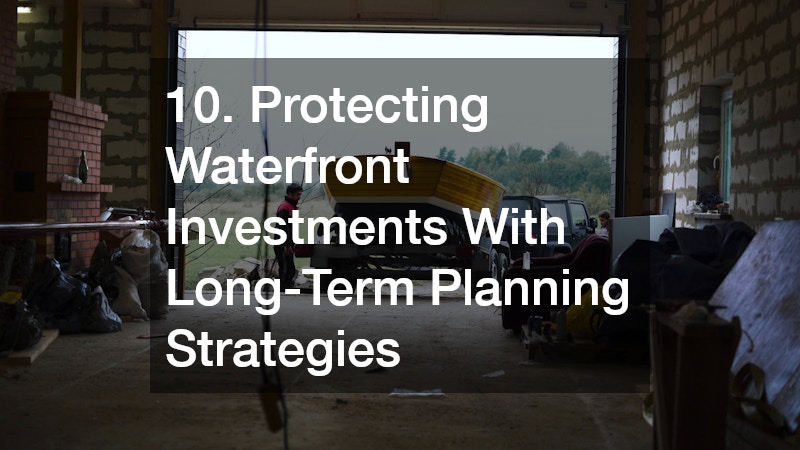
Waterfront properties require ongoing care, strategic planning, and boat storage to maintain their value and functionality because they exist in a constantly changing environment. Unlike inland homes, these properties are continuously exposed to moisture, fluctuating water levels, wind, UV exposure, and shifting soil conditions. Over time, these natural forces gradually weaken structural components, accelerate material degradation, and increase the likelihood of costly repairs if not properly managed. Because of this, waterfront ownership is as much about long-term maintenance planning as it is about initial design and construction.
Routine inspection of docks, shorelines, and structural supports is essential because these areas bear the most direct impact from environmental stress. Docks, in particular, are exposed to constant wave action and water movement, which can loosen fasteners, weaken joints, and cause gradual shifting of foundational supports. Shorelines should also be monitored for changes in slope, soil displacement, or vegetation loss, as these are early indicators of erosion. Structural supports beneath docks and waterfront platforms should be checked for corrosion, rot, or instability, especially after storms or seasonal transitions when water conditions are more extreme. Consistent inspections help identify small issues before they compromise safety or require full reconstruction.
Seasonal reinforcement of high-use areas is another critical strategy for preserving long-term functionality. Areas that experience frequent foot traffic, boat docking, or equipment handling tend to degrade more quickly than less-used sections of the property. Reinforcement may include tightening structural connections, replacing worn decking boards, re-securing mooring points, or upgrading hardware to more durable materials. Preparing these areas ahead of peak usage seasons ensures that the waterfront remains safe, stable, and fully operational during the times when it is most actively used.
Erosion control measures along the shoreline play a major role in protecting both the land and the structures built upon it. Natural erosion is accelerated by wave impact, rainfall runoff, and wake activity from boats. Without proper mitigation, shorelines can gradually recede, undermining docks, landscaping, and even nearby foundations. Effective erosion control may include stabilizing vegetation, installing protective barriers, or reshaping the shoreline gradient to reduce water impact energy. These measures help maintain the natural boundary between land and water while preserving usable space and structural integrity.
Storm preparation protocols for boats and outdoor equipment are equally important, as severe weather can cause significant damage in a short period of time. Boats should be properly secured, lifted when possible, or relocated to protected areas to minimize exposure to high winds and waves. Outdoor equipment, including seating, water sports gear, and portable structures, should be either anchored or stored indoors to prevent loss or damage. Establishing a clear preparation checklist before storm season ensures that protective actions are taken quickly and consistently, reducing the risk of emergency damage control.
Maintenance schedules should be built into yearly planning cycles to ensure consistency across all waterfront systems. Rather than reacting to problems as they arise, a structured schedule allows homeowners to proactively address wear and tear at predictable intervals. This may include quarterly inspections, seasonal reinforcement tasks, and annual structural evaluations. A well-organized schedule also helps distribute maintenance workload evenly throughout the year, making upkeep more manageable and less disruptive.
Conclusion
A well-designed waterfront home is more than a scenic retreat—it is a fully functional environment that supports recreation, relaxation, and active outdoor living. By carefully planning infrastructure, selecting durable materials, and integrating thoughtful design elements, homeowners can create spaces that enhance daily life while preserving long-term property value.
When each component of the waterfront is intentionally designed to work together, the result is a seamless environment that supports both adventure and comfort, offering lasting enjoyment for years to come.