
A healthy, attractive yard takes more than occasional mowing and watering. Homeowners also need to think about drainage, tree health, irrigation, pests, and the changing needs of plants throughout the year. Fortunately, a few practical gardening habits can make outdoor maintenance more manageable while helping prevent larger and more expensive problems. Knowing when to bring in a professional can be just as useful as knowing which maintenance tasks belong on a regular schedule.
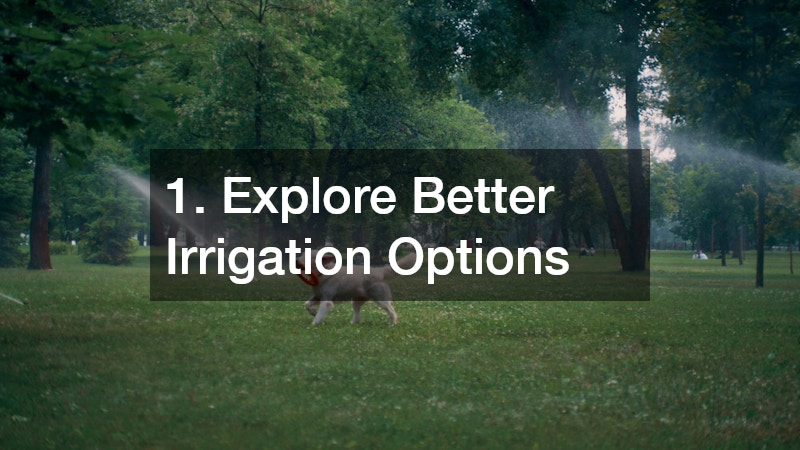
1. Explore Better Irrigation Options
Understand Proper Lawn Drainage
Water is essential for a healthy lawn, but too much water in the wrong places can create its own set of problems. Homeowners may notice soggy patches, puddles that remain after rainfall, thinning grass, soil erosion, or areas where plants consistently struggle. These conditions can indicate that water is not moving through the property as it should. Before changing watering habits, it helps to understand how the existing landscape handles rainfall and irrigation. Professional lawn irrigation companies can evaluate how water is distributed across a property and identify areas that receive too much or too little moisture. Their assessment may include the placement of irrigation heads, water coverage, soil conditions, grading, and drainage patterns. Addressing these factors can help reduce wasted water while creating more consistent growing conditions. Sometimes, the solution is relatively straightforward. A clogged sprinkler head, damaged component, or poorly positioned nozzle may only require a simple repair rather than a complete irrigation replacement. Other situations may involve broader drainage or landscape changes that require more extensive planning. Recognizing the difference can help homeowners avoid unnecessary work. Homeowners should also pay attention to changes over time. A lawn that previously drained well but suddenly develops standing water could be affected by soil compaction, landscape changes, damaged irrigation equipment, or other conditions. Recording where problems occur and when they appear can give a professional useful information when evaluating the property.
Choose Custom Irrigation Solutions
Every yard has different watering requirements. Sun exposure, soil type, lawn size, plant varieties, slopes, and existing landscaping can all influence how much water different areas need. A single watering approach may therefore leave some plants dry while oversaturating others. Lawn irrigation companies can design systems around the characteristics of the property rather than applying the same configuration everywhere. A professional may divide the landscape into watering zones so areas with similar needs receive appropriate amounts of water. This approach can make irrigation more efficient and help plants receive more consistent moisture. A customized system can also account for changes in the landscape. New garden beds, trees, shrubs, patios, and other additions can alter the way water moves through the yard. Irrigation equipment may need to be repositioned or adjusted to accommodate these changes. In some cases, a simple repair can restore proper performance when one component is damaged or malfunctioning.
2. Recognize When You Need to Call A Tree Remover
Identify Signs Of Tree Hazard
Trees add shade, privacy, beauty, and character to a property, but damaged or declining trees can become safety concerns. That’s when a tree remover comes in. Homeowners should pay attention to visible changes such as large dead branches, significant cracks, leaning trunks, exposed roots, extensive decay, or branches that appear unstable. Damage following severe weather deserves particular attention because wind, lightning, and heavy precipitation can weaken trees even when the damage is not immediately obvious. A tree does not necessarily need to be removed simply because it looks unhealthy. Some conditions can be evaluated and managed without taking down the entire tree.
Get Fast Response From A Local Arborist
When a tree problem requires immediate attention, working with a local arborist can make the process more efficient. A local professional is familiar with common tree species and environmental conditions in the area and can evaluate the property in person. That local knowledge can be particularly useful when determining how weather, soil, growth patterns, and previous damage may have affected a tree. A local arborist can inspect the trunk, branches, roots, and surrounding conditions before recommending a course of action. Depending on the circumstances, the recommendation might involve pruning, stabilization, monitoring, or removal. If removal is necessary, the professional can also determine how to approach the work while accounting for nearby structures, utility lines, landscaping, and access limitations. Emergency tree removal often requires careful coordination because a damaged tree may be unstable.
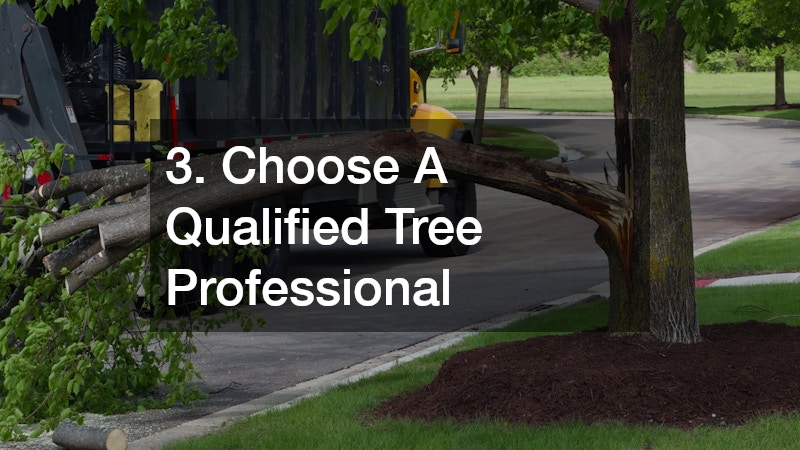
3. Choose A Qualified Tree Professional
Check Qualifications And Certifications
Choosing someone to care for a tree involves more than finding a person with a chainsaw and a truck. Tree work can involve significant safety risks, specialized equipment, and an understanding of how trees respond to pruning, damage, disease, and environmental stress. Homeowners should therefore ask prospective professionals about their qualifications, training, and relevant certifications. Credentials can help indicate that a professional has pursued education in arboriculture or related areas, but homeowners should also consider whether the qualifications match the work being requested. Someone handling routine landscape maintenance may not have the same expertise needed for complex tree assessments or removals. Insurance is another important consideration.
Evaluate Experience In Tree Care
Experience matters because trees are not interchangeable. Different species grow differently, respond differently to pruning, and can present different structural concerns. A professional who regularly handles the type of tree found on a property may be better prepared to recognize relevant issues and recommend appropriate care. Homeowners can ask how long a company has provided tree services and what types of projects it commonly handles. Experience with pruning, removals, storm damage, stump work, and tree health assessments can all be relevant depending on the situation. It can also help to request examples of comparable work when practical. Reviews and testimonials provide another way to evaluate a prospective professional.
4. Manage Common Pest Problems
Choose The Right Exterminator
Pests can quickly turn a pleasant garden into a frustrating maintenance challenge. Insects may damage foliage, affect flowers, disturb soil, or enter the home from outdoor areas. The right response depends on the type of pest, the extent of the problem, and where the activity is occurring. When homeowners need an exterminator, they should first identify what they are actually dealing with whenever possible. Different pests require different approaches, and treating the wrong pest can waste time without addressing the underlying problem. A professional can inspect the property and help determine what is present and where it may be coming from. Homeowners should also ask prospective exterminators about the treatment process.
Use Preventive Pest Control Strategies
Preventive pest control begins with paying attention to the conditions around the property. Homeowners can monitor plants for unusual damage, inspect areas where insects commonly gather, and watch for changes in pest activity. Early detection can make it easier to address a problem before it spreads throughout a garden or moves indoors. Keeping outdoor areas orderly can also reduce potential pest attractions. Removing accumulated organic debris, managing overgrown vegetation, and addressing sources of excess moisture can make some areas less appealing to unwanted insects. Garden maintenance should be consistent rather than limited to periods when a visible infestation has already developed. Pest control can also involve maintaining the structures surrounding the garden. Gaps around doors, damaged screens, deteriorating seals, or other openings can create pathways for insects.
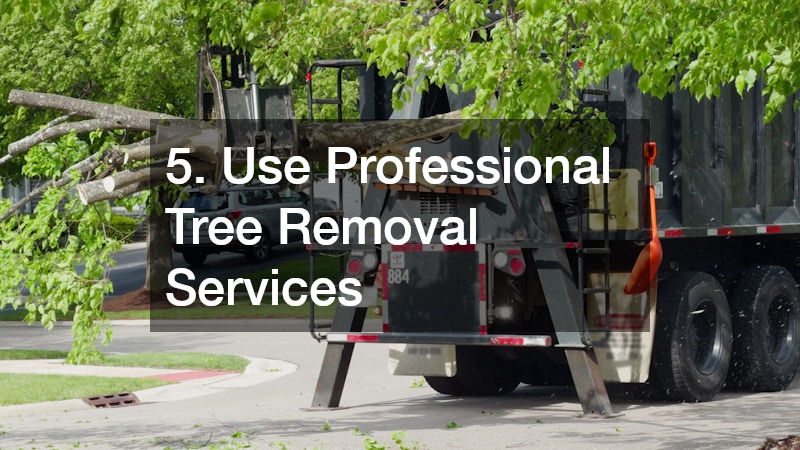
5. Use Professional Tree Removal Services
Prioritize Safety And Efficiency
Removing a tree is considerably more complicated than cutting through a trunk. Trees can be heavy, unstable, and difficult to control, particularly when they are close to buildings, utility lines, fences, vehicles, or other landscaping. Even a tree that appears relatively small can create hazards if its branches shift unexpectedly or the trunk falls in an unintended direction. Professional tree removal services have the equipment and experience needed to evaluate these conditions before work begins. Professionals can determine how a tree should be sectioned, lowered, and removed based on its size, condition, location, and surroundings. This planning can reduce unnecessary risks and help protect the property during the process. Homeowners should also recognize that removal is not always the first solution. Depending on the tree’s condition, selective pruning or another maintenance approach may be appropriate.
Plan Cleanup And Disposal Options
Tree removal does not necessarily end when the trunk comes down. Branches, leaves, sections of trunk, sawdust, and other debris can remain throughout the work area. Homeowners should discuss cleanup and disposal before work begins so they know what will happen to the resulting material. Many tree removal services can handle some or all of the cleanup associated with removal. Depending on the provider and project, this may include cutting branches into manageable pieces, removing larger sections of wood, collecting smaller debris, or hauling material away. Stump grinding may be offered separately or included as part of a broader service. The appropriate disposal method can depend on the condition and amount of material. Some homeowners may want usable wood retained for firewood or other purposes, while others may prefer to have everything removed from the property. Discussing these preferences in advance can help prevent confusion once the work is underway.
6. Maintain Local Tree Care Year-Round
Follow Seasonal Tree Maintenance Tips
Trees need attention throughout the year, although the type of care they require can change with the seasons. Spring is a useful time to look for winter damage, broken branches, and changes in growth. Summer observations can focus on drought stress, unusual leaf changes, and signs of insect activity. Fall can provide an opportunity to assess the tree before winter weather arrives, while winter inspections can reveal structural concerns when foliage is absent from deciduous trees. Local tree care should account for the conditions specific to the property. Soil moisture, exposure to wind, available sunlight, surrounding construction, and the types of trees growing in the landscape can all influence maintenance needs. Homeowners should avoid assuming that every tree should receive the same treatment or schedule. Pruning is another area where timing and technique matter. Removing branches simply because they appear inconvenient can create unnecessary wounds or alter the tree’s natural structure. When pruning is needed, homeowners can consult a qualified professional about which branches should be addressed and when the work should occur.
Schedule Regular Inspections By Specialists
Regular tree inspections can help homeowners identify developing problems before they become emergencies. A specialist can look for structural weaknesses, deadwood, decay, disease symptoms, root concerns, and other conditions that may not be obvious to someone without specialized training. Inspections are especially useful for mature trees and trees located near structures or areas with frequent foot traffic. A tree may look healthy from the ground while still having internal or structural concerns. Professional evaluation provides another level of observation that routine yard maintenance cannot always provide. Homeowners do not necessarily need to wait until a tree appears seriously damaged to seek an assessment. Establishing a reasonable inspection routine can make tree care more proactive. The appropriate frequency depends on the tree, its condition, its location, and local environmental factors. A specialist can also help homeowners prioritize recommendations.
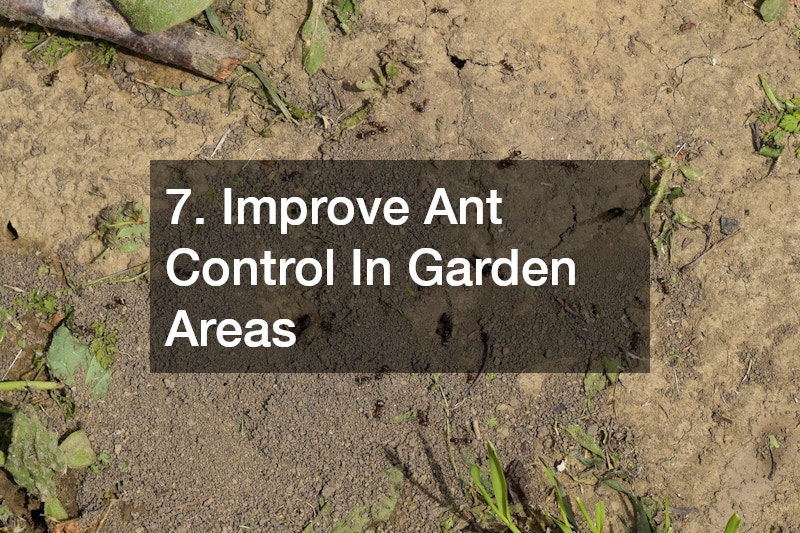
7. Improve Ant Control In Garden Areas
Try Natural Ant Repellents
Ants are common garden visitors, and their presence does not automatically mean a yard has a serious infestation. However, large colonies around planting beds, patios, foundations, or outdoor living areas can become frustrating. Some species may also protect other insects that affect plants, making it useful to monitor where ant activity occurs. Ant control begins with understanding why ants are present. Food sources, moisture, shelter, and nearby colonies can all influence their activity. Keeping garden areas clean and limiting conditions that encourage large populations can help reduce some problems. Homeowners may consider nonchemical approaches for minor activity. Maintaining tidy planting beds, removing excess debris, and managing moisture can make certain areas less attractive to ants. Some commonly discussed natural repellents may temporarily discourage ants from specific areas, but their effectiveness can vary depending on the species and the underlying colony.
Know When To Call An Exterminator
There are situations when household or garden maintenance is not enough to control an ant problem. Large numbers of ants, recurring activity, visible nests near structures, or ants repeatedly entering the home can indicate that a more comprehensive approach is needed. An exterminator can identify the species involved and evaluate where the colony or colonies may be located. This matters because simply treating visible ants may not address the source of the infestation. A professional can recommend an approach based on the specific pest and conditions around the property. Homeowners should also mention recurring problems rather than focusing only on what they can see. If ants disappear temporarily after treatment but return repeatedly, there may be an environmental condition or access point contributing to the issue. Identifying those factors can make management more effective.
8. Find Dependable Pest Control Exterminators
Research Local Options
Finding qualified pest control exterminators begins with identifying companies that serve the property and handle the specific pest involved. Homeowners can compare service offerings, experience, treatment approaches, scheduling, and communication before choosing a provider. A company that specializes in one type of pest may approach a problem differently from one that handles a broad range of residential concerns. Homeowners should explain the issue clearly when requesting information and ask whether the company regularly handles similar situations. It can also be useful to request a written description of the recommended service. This can clarify what areas will be treated, whether follow-up visits are included, and what the homeowner should expect after treatment. Comparing the actual scope of service can be more informative than comparing prices alone. Homeowners should consider how a company approaches prevention as well as immediate treatment.
Read Reviews And Testimonials
Customer reviews can provide useful insight when comparing pest control providers. Homeowners can look for recurring comments about communication, scheduling, professionalism, treatment effectiveness, and whether the company completed the agreed scope of work. No business will have uniformly positive feedback, so homeowners should look for patterns rather than relying on one unusually favorable or unfavorable review. Several customers describing similar experiences may provide more useful information than an isolated comment. Reviews can also reveal details that are difficult to learn from a service description. Customers may mention whether technicians explained their findings, answered questions, respected the property, or followed up after treatment. These practical details can help homeowners evaluate what working with a company may be like. When comparing exterminators, homeowners can combine reviews with other information rather than treating testimonials as the sole deciding factor.
Knowing what to watch for and when to call qualified professionals can make property maintenance more manageable. With consistent local tree care, appropriate irrigation, thoughtful pest prevention, and prompt attention to emerging problems, homeowners can maintain a healthier, safer, and more enjoyable landscape throughout the year.